 EN

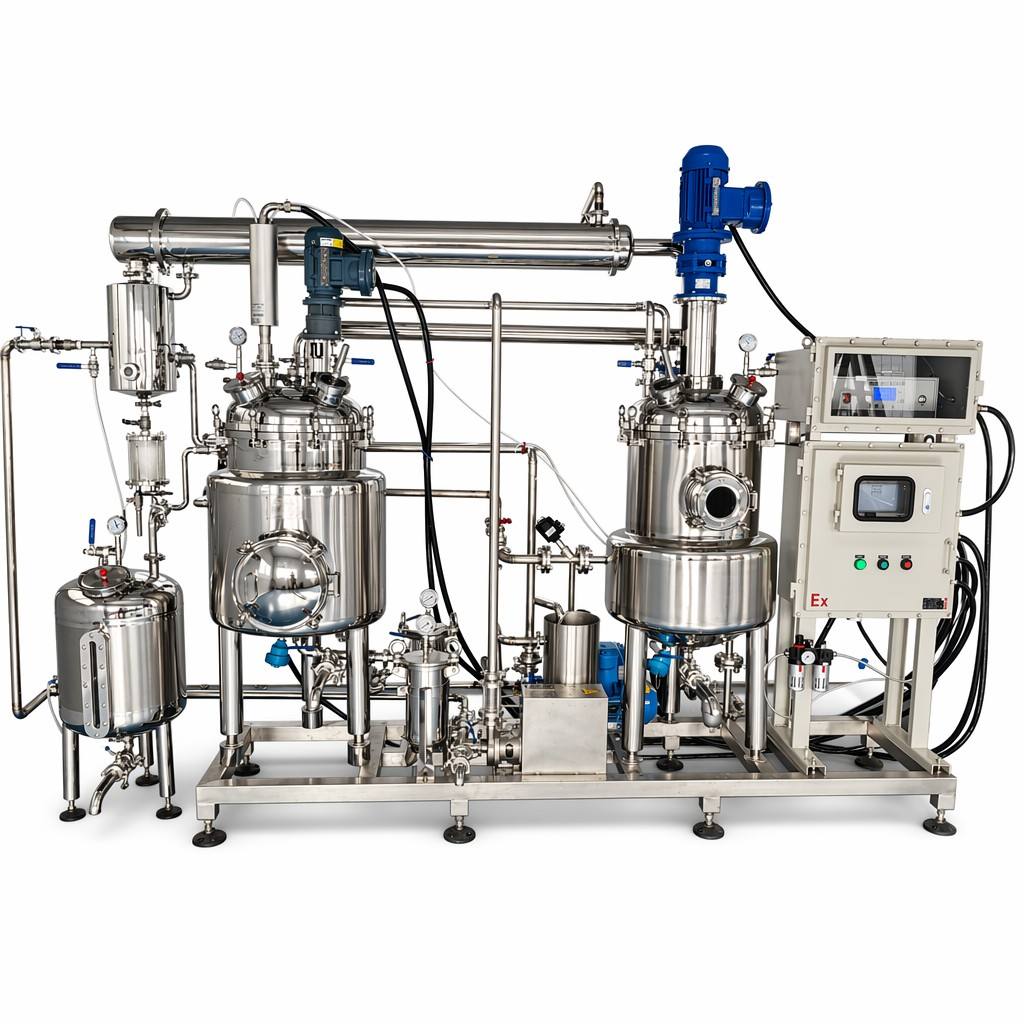
Ultrasonic extraction machines are advanced devices that utilize high-frequency sound waves to enhance the extraction process across various industries, including food, biotech, chemical, and pharmaceutical sectors. By employing ultrasonic waves, these machines significantly improve extraction consistency, yielding higher purity and better quality of extracted materials. For purchasing managers and industrial buyers, understanding how ultrasonic extraction machines work and their benefits is essential for making informed procurement decisions. This article will explore the ways an ultrasonic extraction machine can increase extraction consistency, along with key specifications, supplier considerations, installation guidance, and common challenges addressed by ultrasonic solutions.
How Ultrasonic Extraction Machines Enhance Product Quality Consistency
Ultrasonic extraction machines enhance product quality consistency by utilizing high-frequency sound waves to create microscopic bubbles in a liquid medium. This process, known as cavitation, leads to the rapid collapse of these bubbles, generating high shear forces that effectively disrupt cell walls and improve the release of target compounds. As a result, the extraction process becomes more efficient, yielding a higher concentration of desired substances while minimizing the extraction of unwanted impurities.
This technology is particularly beneficial in applications such as herb extraction system, where achieving a consistent product quality is crucial. For instance, when extracting essential oils or active ingredients from plants, ultrasonic extraction ensures that the concentration of bioactive compounds remains uniform across batches. This consistency not only enhances the overall quality of the final product but also aids in meeting regulatory compliance and customer expectations.
Key Specifications to Consider When Choosing an Ultrasonic Extractor
When selecting an ultrasonic extractor, several key specifications should be carefully evaluated:
Frequency: The frequency of the ultrasonic waves, typically ranging from 20 kHz to 40 kHz, directly impacts the efficiency of the extraction. Lower frequencies are suitable for larger particles and tougher materials, while higher frequencies are better for finer particles and delicate substances.
Power Output: The power output, usually measured in watts, determines the intensity of the ultrasonic waves. A higher power output can lead to more effective cavitation, resulting in better extraction rates. It is essential to balance power output with the specific application to avoid degradation of sensitive compounds.
Tank Material: The construction material of the extraction tank must be compatible with the substances being processed. Stainless steel is a common choice due to its durability and resistance to corrosion, making it suitable for various chemical environments.
Temperature Control: Maintaining appropriate temperature during extraction is vital for preserving the integrity of temperature-sensitive compounds. Look for machines with built-in temperature control features to ensure optimal extraction conditions.
Automation Features: Consider the level of automation offered by the ultrasonic extractor. Advanced systems with programmable settings and real-time monitoring can enhance efficiency and reduce manual intervention, leading to more consistent results.
Finding Reliable Suppliers of Ultrasonic Extractors
When searching for reliable suppliers of ultrasonic extractors, it is crucial to evaluate their experience, product offerings, and customer support. Start by researching manufacturers with a strong reputation in the industry, such as Shanghai Ruiyuan Machinery Co., Ltd., which specializes in pilot and lab-scale equipment for various applications.
Consider the following factors when assessing potential suppliers:
Product Range: Ensure that the supplier offers a variety of ultrasonic extraction machine tailored to meet different operational needs within your industry.
Customization Capabilities: A supplier that can provide customized solutions based on specific extraction requirements can be invaluable. Discuss your needs upfront to see if the supplier can accommodate them.
Quality Assurance: Inquire about the supplier's quality control processes and any certifications they hold. A reputable supplier should have rigorous testing procedures in place to ensure consistent product quality.
Technical Support: Reliable after-sales support is essential for maintaining extraction consistency. Suppliers who offer training, troubleshooting, and maintenance services can help mitigate potential operational issues.
Installation Guidance for Ultrasonic Extraction Systems in Manufacturing
Proper installation of ultrasonic extraction systems is critical for maximizing performance and ensuring consistent extraction results. Here are key considerations for successful installation:
Site Preparation: Evaluate the installation site for adequate space, ventilation, and access to utilities. Ultrasonic extractors may require specific electrical and water supply configurations, so ensure that these systems are in place before installation.
Alignment and Leveling: It is essential to install the ultrasonic extraction machine on a stable, level surface to prevent operational disruptions. Misalignment can lead to uneven cavitation and inconsistent extraction results.
Connection to Auxiliary Equipment: If the extractor is part of a larger processing system, ensure proper connections to any auxiliary equipment, such as pumps or filtration systems, to facilitate seamless operation.
Calibration and Testing: Once installed, calibrate the machine according to the manufacturer’s specifications. Conduct initial test runs with reference materials to validate extraction consistency and optimize settings before proceeding to full-scale production.
Common Challenges in Extraction and How Ultrasonic Solutions Help
Various challenges can arise during the extraction process, including low yields, inconsistent product quality, and lengthy processing times. Ultrasonic extraction equipment address these issues effectively:
Low Yields: Traditional extraction methods often result in lower yields due to incomplete extraction of desired compounds. Ultrasonic machines enhance mass transfer, leading to higher extraction efficiency and better yields.
Inconsistent Quality: Variability in raw material quality can affect extraction outcomes. Ultrasonic extraction provides a more controlled process, enabling consistent quality across different batches, thus improving product reliability.
Time Constraints: Conventional extraction methods may require extended processing times. Ultrasonic extraction significantly reduces extraction times while maintaining or even improving product quality, allowing manufacturers to meet tight production schedules.
ultrasonic extraction machines offer significant advantages for enhancing extraction consistency across various industries. By understanding the technology, key specifications, supplier evaluation criteria, installation requirements, and common challenges, B2B buyers can make informed decisions that lead to improved product quality and operational efficiency.
Table of Contents
- How Ultrasonic Extraction Machines Enhance Product Quality Consistency
- Key Specifications to Consider When Choosing an Ultrasonic Extractor
- Finding Reliable Suppliers of Ultrasonic Extractors
- Installation Guidance for Ultrasonic Extraction Systems in Manufacturing
- Common Challenges in Extraction and How Ultrasonic Solutions Help