 EN

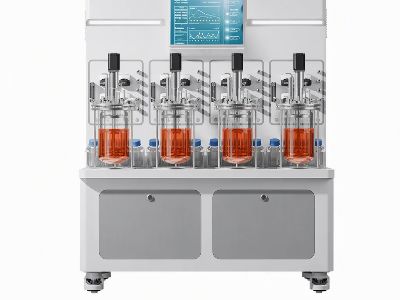
Understanding the relationship between agitation efficiency and steel fermenter performance is crucial for industries relying on fermentation processes, such as food, biotech, and pharmaceuticals. Buyers often face concerns regarding how agitation impacts yield, product consistency, and operational efficiency. This article aims to clarify how agitation efficiency influences steel fermenter performance, outline key specifications, and provide practical insights for sourcing high-quality fermenters.
Understanding Agitation Efficiency in Steel Fermenter Performance
Agitation efficiency refers to the effectiveness with which a mixing system disperses solids, enhances mass transfer, and promotes effective heat transfer within a fermentation vessel. In steel fermenters, proper agitation is vital for ensuring uniformity in the fermentation process, which directly impacts product quality and yield. An efficient agitation system helps maintain consistent temperature and concentration throughout the small stainless steel fermenter, minimizing dead zones where stagnant fluid can lead to suboptimal fermentation. If agitation is inadequate, it can result in poor mixing, leading to localized overheating or underfeeding of microorganisms, which ultimately affects the fermentation output. Buyers should evaluate agitation designs based on their specific fermentation processes, as variations in viscosity, density, and microbial requirements can significantly influence the necessary agitation intensity.
Key Specifications for Steel Fermenters and Agitation Systems
When sourcing steel fermenters, several key specifications must be considered to ensure optimal performance:
Material Composition: Stainless steel is commonly used for its resistance to corrosion and its ability to withstand high temperatures and pressures. The specific grade of stainless steel should be selected based on the intended application and regulatory requirements.
Agitation Type: There are various agitation methods, including mechanical mixers and magnetic stirrers. Each type has its advantages and should be chosen based on the requirements of the fermentation process, including the scale of production and the nature of the media.
Impeller Design: The design and size of the impeller affect mixing efficiency. It’s crucial to match the impeller design with the fermenter’s geometry and the desired flow patterns to achieve optimal agitation.
Capacity and Dimensions: Buyers should specify the required fermentation volume and dimensions of the fermenter. This is especially important for pilot and lab-scale equipment, where space and scale can significantly influence operational efficiency.
Temperature and Pressure Ratings: stainless steel fermenter must be capable of handling specific temperature and pressure conditions. Understanding the operational limits is essential to prevent equipment failure during fermentation processes.
Buyers should work closely with manufacturers to ensure that all specifications meet their operational needs and regulatory standards.
Agitation Efficiency in Fermenter Operations
Agitation efficiency plays a pivotal role in fermenter operations, as it impacts fermentation kinetics and overall process stability. An efficient agitation system ensures proper nutrient distribution, oxygen transfer, and temperature control, which are critical for microbial growth and product formation. For instance, in aerobic fermentation processes, adequate oxygen transfer is essential. A poorly designed agitation system can lead to oxygen limitations, resulting in lower cell growth rates and product yields. Conversely, excessive agitation can cause shear stress to sensitive cells, impacting viability and productivity. Therefore, buyers should assess their specific fermentation requirements and conduct trials to determine the optimal agitation conditions. This may include testing different impeller designs, rotational speeds, and vessel configurations to achieve the best performance.
Sourcing High-Quality Steel Fermenters
When sourcing steel fermenters, it is vital to evaluate potential suppliers based on several criteria to ensure high-quality products:
Manufacturing Capabilities: Investigate the supplier’s manufacturing processes, including their quality control measures and certifications (e. g., ISO standards). A reliable manufacturer should have proven capabilities in producing equipment that meets industry regulations.
Customization Options: Depending on the unique needs of the application, buyers may require customized solutions, such as specific dimensions, agitation designs, or integrated control systems. Ensure that the manufacturer can accommodate these requirements.
Lead Time and Production Capacity: Understanding the lead time for production and delivery is crucial, particularly in industries where timing is critical. Confirm the manufacturer's production capacity to ensure they can meet your volume requirements.
After-Sales Support: Reliable after-sales support is essential for ongoing maintenance and troubleshooting. Buyers should inquire about warranty policies, availability of spare parts, and technical assistance.
Reference Projects: Request case studies or references from previous clients to gauge the manufacturer’s reliability and performance in similar applications.
By carefully evaluating these factors, buyers can select a supplier that aligns with their operational needs and quality expectations.
Applications of Steel Fermenters in Biotech and Food Industries
Steel fermenters are extensively used in both biotech and food industries for various applications:
Biotech Industry: In biotech, fermenters are utilized for producing pharmaceuticals, enzymes, and biofuels. The ability to control agitation and environmental conditions allows for precise manipulation of microbial growth, enhancing product yield and consistency.
Food Industry: In the food sector, fermentation is essential for producing products like yogurt, cheese, and fermented beverages. Steel fermenters equipped with efficient agitation systems ensure uniform mixing of ingredients, leading to consistent product quality and flavor profiles.
Customization for Specific Processes: Each application may require different fermenter configurations. For example, a cheese production fermenter may need specific dimensions and agitation characteristics to accommodate curd formation, while a biopharmaceutical fermenter may focus on maximizing oxygen transfer for cell growth.
Buyers should evaluate their specific application needs and consult with manufacturers to ensure that the selected fermenters are tailored to their production processes. Understanding the relationship between agitation efficiency and stainless steel bioreactor fermenter performance is critical for optimizing fermentation processes. By focusing on key specifications, sourcing high-quality equipment, and considering specific applications, buyers can enhance their operational efficiency and product quality.