 EN

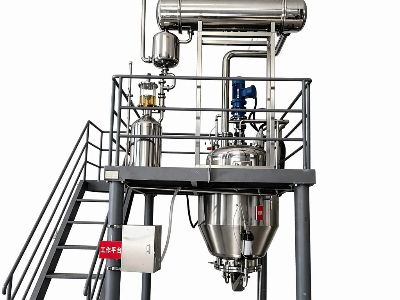
The role of a plant oil extractor in high-purity botanical production is crucial for businesses in industries such as food, pharmaceuticals, and cosmetics. These extractors allow manufacturers to efficiently obtain high-quality oils from various plant materials while maintaining purity and integrity. Buyers often have concerns regarding selection, efficiency and operational costs when evaluating these systems. This article aims to provide insights into the functionality of plant oil extractors, guide buyers in making informed decisions, and highlight key considerations for successful procurement.
Understanding the Role of a Plant Oil Extractor in Botanical Production
A plant oil extractor is designed to separate essential oils and other beneficial compounds from plant materials through various extraction methods, such as solvent extraction, steam distillation, or cold pressing. The choice of extraction method can significantly impact the quality and yield of the final product. In high-purity botanical production, maintaining the integrity of the extracted compounds is vital. This is particularly important for applications in the food and pharmaceutical sectors, where purity directly affects product safety and effectiveness. A well-engineered extractor can optimize extraction efficiency while minimizing thermal degradation or contamination. Moreover, modern plant lavender oil extractor often incorporate advanced technologies, such as automation and precise temperature control, to enhance extraction efficiency. This results in higher yields, lower operational costs, and a more sustainable production process, making them indispensable for manufacturers aiming for high-quality outputs.
How to Choose the Right Plant Oil Extractor for Your Needs?
When selecting a plant oil extractor, buyers should consider several critical factors to ensure the equipment aligns with their production goals:
Extraction Method: Determine which extraction method suits your raw materials and desired oil quality. For instance, cold pressing is ideal for citrus oils, while solvent extraction may be more appropriate for delicate botanicals.
Capacity and Scale: Evaluate the production capacity needed based on your operational scale. Equipment should accommodate both current needs and potential future growth.
Material Compatibility: Ensure that the extractor's materials of construction are compatible with the plants being processed. Stainless steel is often preferred for its durability and resistance to corrosion.
Automation Features: Consider extractors with automated controls for temperature and pressure, which can enhance consistency and reduce labor costs.
Maintenance Requirements: Look for designs that facilitate easy cleaning and maintenance, as this can significantly impact operational efficiency and product quality.
Regulatory Compliance: Ensure the equipment meets industry standards and regulations applicable to your market, particularly when dealing with food or pharmaceutical products.
By focusing on these criteria, buyers can choose a plant oil extractor that not only meets their immediate needs but also supports long-term operational efficiency.
Where to Source Reliable Plant Oil Extractors for Wholesale Orders?
Sourcing reliable plant oil extractors requires careful evaluation of potential suppliers. Here are some steps to guide the process:
Research Manufacturers: Look for manufacturers with a proven track record in the industry. Companies like Shanghai Ruiyuan Machinery Co., Ltd. specialize in manufacturing extraction systems and have experience across multiple sectors, ensuring robust equipment tailored to specific applications.
Request References and Case Studies: Ask potential suppliers for references or case studies demonstrating their equipment's performance in real-world applications. This can provide insights into their reliability and customer satisfaction.
Evaluate Customization Capabilities: Some projects may require customized solutions. Ensure the manufacturer can accommodate specific design or capacity requirements.
Compare Pricing and Terms: Request quotes from multiple suppliers, taking into account not just the price but also the terms of sale, warranty, and after-sales service.
Check Certifications: Verify that the manufacturer holds relevant certifications that demonstrate quality control and compliance with industry standards.
By following these steps, buyers can identify trustworthy suppliers that meet their specific needs for plant oil extractors.
Cost Factors Impacting Plant Oil Extractor Purchases
The cost of plant oil extractors can vary widely based on several factors:
Type of Extraction Technology: Different technologies have different cost implications. For example, solvent extraction systems may have higher initial costs but can offer greater yields on specific botanicals.
Size and Capacity: Larger systems with higher capacities typically come with a higher price tag. Buyers should weigh their current needs against future growth potential.
Material Quality: Extractors made from high-grade materials, such as stainless steel or specialized alloys, will generally cost more but offer better durability and compliance with hygiene standards.
Customization Needs: Custom-built systems to cater to specific production processes can increase costs. It’s essential to balance customization with standard offerings that may meet your needs at a lower price.
Operational Costs: Consider the plant oil extractor total cost of ownership, including energy consumption, maintenance, and labor costs. Efficient systems may have higher upfront costs but can save money in the long run.
Understanding these cost factors can help buyers budget appropriately and make informed purchasing decisions.
Common Problems with Plant Oil Extractors and Their Solutions
While plant oil extractors are essential for high-purity production, they can encounter several common issues. Here are a few problems and their potential solutions:
Clogged Filters: Over time, filters can become clogged with plant material, leading to reduced efficiency. Regular maintenance and timely replacement of filters can prevent this issue.
Temperature Control Issues: Inconsistent temperatures can lead to poor extraction yields or degraded oil quality. Investing in a high-quality temperature control system can mitigate this risk.
Material Compatibility: Using incompatible materials can result in corrosion or contamination. Always verify that the extractor components are suitable for the specific essential oil extractor being extracted.
Inefficient Extraction: If the extraction yields are lower than expected, it may be due to incorrect parameters set during the extraction process. Regular calibration and adherence to manufacturer guidelines are essential.
Maintenance Neglect: Failing to conduct regular maintenance can result in unexpected downtime. Implementing a routine maintenance schedule can ensure optimal performance and longevity of the equipment.
By being aware of these common issues and their solutions, buyers can better prepare for effective operation and maintenance of their plant oil extractors, ultimately supporting their production goals.
Table of Contents
- Understanding the Role of a Plant Oil Extractor in Botanical Production
- How to Choose the Right Plant Oil Extractor for Your Needs?
- Where to Source Reliable Plant Oil Extractors for Wholesale Orders?
- Cost Factors Impacting Plant Oil Extractor Purchases
- Common Problems with Plant Oil Extractors and Their Solutions