 EN

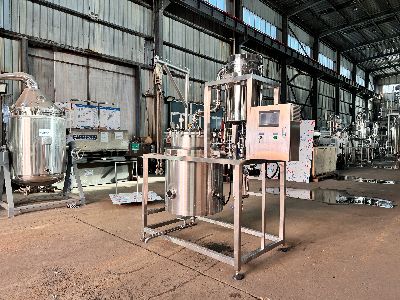
Distillation is a critical process in various industries, including food, dairy, biotech, chemical, and pharmaceuticals. When it comes to hydrosol distillation equipment, several factors affect performance, influencing efficiency, yield, and overall production quality. Understanding these factors is essential for B2B buyers, including purchasing managers, distributors, and engineers, as they seek reliable equipment that meets their specific application needs. This article delves into the key elements that impact the performance of hydrosol distiller equipment and offers practical guidance for making informed purchasing decisions.
What Factors Influence the Efficiency of Hydrosol Distillation Equipment?
Efficiency in hydrosol distillation equipment can be influenced by several factors, including the design of the distillation sy stem, material selection, operational parameters, and maintenance practices.
Design and Configuration: The layout of the distillation equipment affects how effectively the process can separate components. For example, a well-designed heat exchanger will optimize thermal transfer, thus improving the efficiency of the distillation. Equipment that allows for easy cleaning and maintenance also contributes to sustained performance.
Material Selection: The choice of materials used in the construction of distillation equipment plays a significant role in its performance. Materials need to withstand chemical exposure, temperature variations, and pressure conditions. Stainless steel is commonly used for its durability and resistance to corrosion, which helps maintain product purity and reduces contamination risks.
Operational Parameters: Factors such as temperature, pressure, and flow rates directly affect the separation process. For instance, operating at optimal temperatures ensures the desired boiling points for effective separation, while maintaining appropriate pressure levels can prevent equipment damage and enhance yield. It’s crucial for buyers to understand these parameters and work closely with suppliers to ensure systems are configured for their specific applications.
Maintenance and Calibration: Regular maintenance and calibration of distillation equipment are essential for consistent performance. Neglecting these aspects can lead to decreased efficiency and increased downtime. Buyers should consider suppliers that offer comprehensive support services, including maintenance plans and training for operational staff.
How to Choose Reliable Suppliers for Hydrosol Distillation Systems?
Selecting a reliable supplier for hydrosol distillation systems involves evaluating several key aspects that ensure the supplier can meet your production needs effectively.
Industry Experience: Look for suppliers with a proven track record in manufacturing and supplying distillation equipment specifically for your industry. Experience often correlates with expertise in addressing common challenges and providing tailored solutions.
Customization Capabilities: Each application may have unique requirements, so it’s important to assess whether the supplier can customize equipment to meet those needs. This includes modifications to capacity, dimensions, and features that enhance usability for specific processes.
Quality Assurance Processes: Check if the supplier adheres to stringent quality control measures and possesses relevant certifications. This provides assurance that the equipment meets industry standards and will perform reliably.
Customer Support and Service: Evaluate the level of customer service offered by the supplier. Reliable post-purchase support, including installation, training, and troubleshooting assistance, can significantly impact hydrosol distillation equipment performance and longevity.
References and Case Studies: Request references or case studies from previous customers to understand the supplier’s performance and reliability in real-world applications. This can provide insights into their problem-solving capabilities and customer satisfaction levels.
Cost Factors to Consider When Sourcing Distillation Equipment Wholesale
When sourcing hydrosol distillation equipment wholesale, various cost factors need to be considered beyond the initial purchase price to avoid unexpected expenses.
Total Cost of Ownership: Assess not just the upfront costs but also the long-term operational costs. This includes energy consumption, maintenance expenses, and potential downtime. Efficient hydrosol distillation kit equipment may have a higher initial price but can lead to significant savings over time due to lower operational costs.
Customization Costs: Custom features may increase the initial investment. However, these modifications can improve efficiency and yield, ultimately leading to better returns on investment. Buyers should weigh the benefits of customization against the costs involved.
Shipping and Handling: Consider the logistics costs associated with shipping, including any duties or tariffs for international orders. Suppliers offering comprehensive shipping solutions can help mitigate these expenses.
Financing Options: Some suppliers provide financing options that can help ease the financial burden of significant capital expenditures. Understanding these options can help buyers manage cash flow more effectively.
Warranty and Service Agreements: Evaluate the warranty terms and any service agreements offered. A robust warranty can protect against unforeseen issues, while service agreements can ensure ongoing support, reducing long-term costs associated with repairs.
What Buyers Should Know?
For B2B buyers looking to invest in hydrosol distillation equipment, understanding specific considerations can streamline the purchasing process.
Technical Specifications: Buyers should thoroughly review technical specifications, including capacity, dimensions, and performance parameters. This ensures the equipment aligns with production needs.
Sample Testing: It is advisable to request samples or trial runs before mass production. Testing under actual operating conditions can uncover potential issues that might not be apparent from specifications alone.
Installation and Training: Ensure that the supplier provides adequate installation support and training for your staff. Proper installation and operation are crucial for optimizing performance and minimizing errors.
Regulatory Compliance: Verify that the equipment meets relevant industry regulations and standards. This is particularly important in sectors like pharmaceuticals and food processing, where compliance is critical for safety and quality assurance.
Supplier Evaluation: Develop a checklist for evaluating suppliers, focusing on their experience, capabilities, and customer support. This can guide decision-making and help ensure a successful partnership.
Material Advantages of Hydrosol Distillation Equipment in Manufacturing
The materials used in hydrosol distillation equipment significantly influence its performance, durability, and overall effectiveness in production.
Corrosion Resistance: Equipment made from high-grade stainless steel or specialized alloys offers superior resistance to corrosion and chemical damage. This is essential in distillation processes where various solvents and chemicals are involved.
Thermal Conductivity: Materials with high thermal conductivity enhance efficiency by ensuring rapid heat transfer during distillation. This can lead to shorter processing times and improved energy efficiency.
Cleanability: The choice of materials affects how easily the equipment can be cleaned and sanitized. Smooth, non-porous surfaces are preferable for preventing residue buildup, thereby maintaining product purity and compliance with health standards.
Durability and Longevity: The right materials contribute to the longevity of the equipment, reducing the need for frequent replacements. Investing in high-quality materials can lead to lower total costs in the long run.
Customization Options: Suppliers often offer various material options, allowing buyers to select based on specific operational needs and budget considerations. Understanding the advantages of different materials can assist in making informed decisions.
By considering the factors discussed, B2B buyers can enhance their understanding of hydrosol distillation equipment and make more informed purchasing decisions, ensuring they choose the right systems for their operational needs.
Table of Contents
- What Factors Influence the Efficiency of Hydrosol Distillation Equipment?
- How to Choose Reliable Suppliers for Hydrosol Distillation Systems?
- Cost Factors to Consider When Sourcing Distillation Equipment Wholesale
- What Buyers Should Know?
- Material Advantages of Hydrosol Distillation Equipment in Manufacturing