 EN

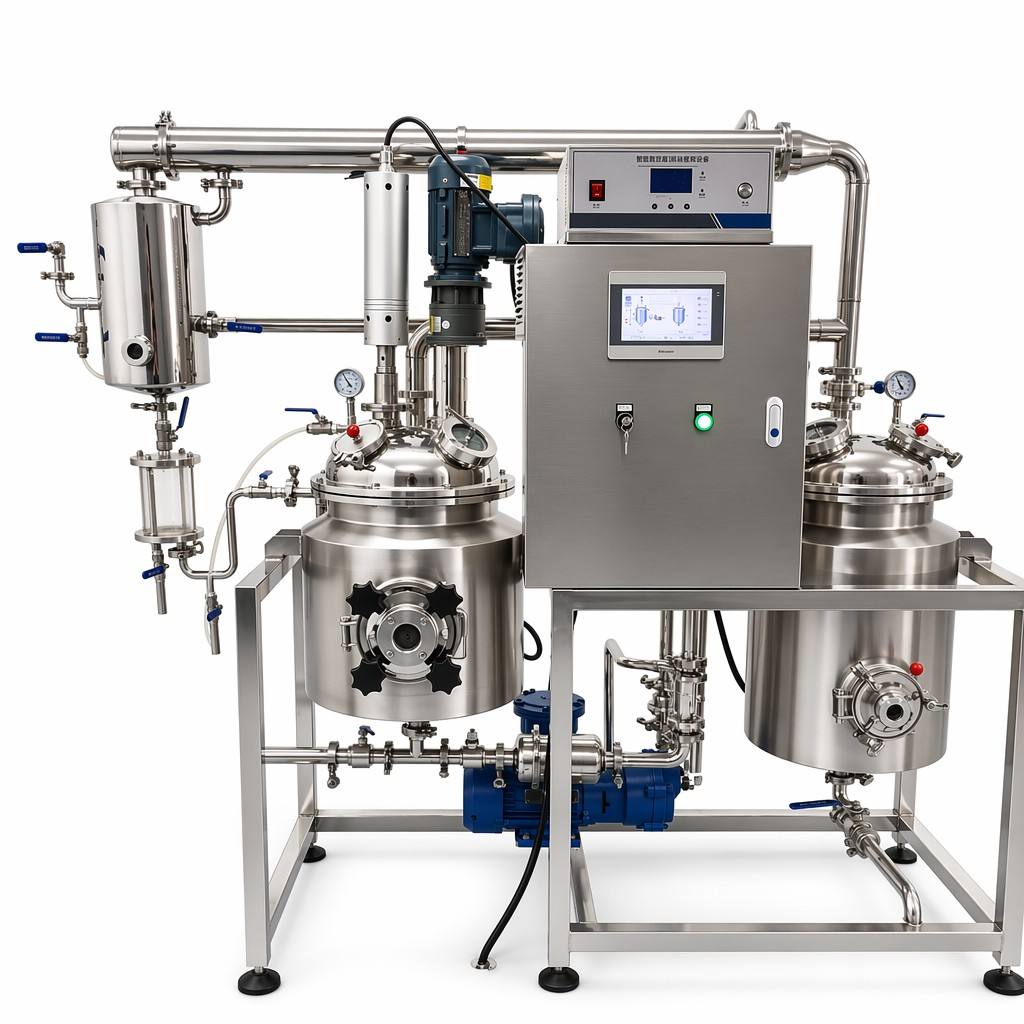
Ultrasonic extraction machines are increasingly popular in various industries, including food, dairy, biotech, chemical, and pharmaceuticals. At the heart of these machines lies cavitation technology, a critical factor that enhances extraction efficiency and quality. Understanding why cavitation technology is essential in an ultrasonic extraction machine is crucial for B2B buyers looking to invest in high-performance equipment. This article will delve into the key specifications, sourcing options, technology comparisons, common challenges, and supplier evaluations related to ultrasonic extraction machines, providing valuable insights for purchasing managers and decision-makers.
Key Specifications of Ultrasonic Extraction Machines for Wholesale Buyers
When considering ultrasonic extraction machines, several key specifications should be evaluated to ensure optimal performance. These include frequency, power output, cavitation intensity, and chamber design.
Frequency: Typically measured in kilohertz (kHz), the frequency of an ultrasonic extractor machine influences the size and intensity of the cavitation bubbles. Common frequencies range from 20 kHz to 100 kHz. Lower frequencies produce larger bubbles that collapse with greater force, making them suitable for robust extraction processes, while higher frequencies create smaller, more numerous bubbles ideal for delicate applications.
Power Output: The power output, measured in watts, determines the machine's ability to generate cavitation. Higher power outputs can lead to more efficient extraction but may also require careful management to avoid damaging sensitive materials. Buyers should assess their specific extraction needs to select an appropriate power level.
Cavitation Intensity: This refers to the effectiveness of the cavitation process in disrupting cell walls and facilitating the release of target compounds. Manufacturers often provide data on cavitation intensity, which can help buyers predict the machine's extraction efficiency.
Chamber Design: The design of the extraction chamber is crucial for optimizing cavitation. Factors such as size, material, and shape can affect the flow dynamics and the uniformity of cavitation. Stainless steel is commonly used due to its durability and resistance to corrosion, making it suitable for various applications.
Understanding these specifications will enable buyers to select ultrasonic extraction machines that meet their operational requirements and maximize productivity.
Where to Source Reliable Ultrasonic Extraction Machines with Cavitation
Sourcing reliable ultrasonic extraction machines with effective cavitation technology involves evaluating several key factors. First, consider manufacturers with a proven track record in the industry. Companies like Shanghai Ruiyuan Machinery Co., Ltd. specialize in lab-scale and pilot equipment, making them a strong candidate for sourcing such technology.
When sourcing, buyers should also assess the following:
Supplier Reputation: Researching reviews and testimonials from previous customers can provide insights into the reliability and quality of the equipment. Look for suppliers with positive feedback regarding their products and customer service.
Certifications and Compliance: Ensure that the equipment complies with relevant industry standards and certifications, such as ISO or CE marks. This compliance can indicate a commitment to quality and safety.
Customization Options: Some suppliers may offer customization capabilities, allowing buyers to tailor machines to specific production requirements. Discussing customization options with potential suppliers can lead to more effective solutions.
After-Sales Support: Reliable after-sales support, including installation assistance and maintenance services, is vital for minimizing downtime and ensuring long-term operational efficiency.
By focusing on these factors, buyers can identify trusted suppliers that meet their needs for ultrasonic extraction equipment with cavitation technology.
Comparing Cavitation Technology Across Different Extraction Solutions
Cavitation technology varies significantly across different ultrasonic extraction machines, impacting their performance and suitability for specific applications. Here’s how to compare various solutions:
Type of Cavitation: There are two primary types of cavitation: inertial and non-inertial. Inertial cavitation involves the rapid formation and collapse of bubbles, leading to high-energy impacts that enhance extraction. Non-inertial cavitation occurs at lower energy levels, producing smaller bubbles and gentler extraction. Choosing the right type depends on the materials being processed.
Energy Efficiency: Energy efficiency is a critical consideration. Some machines utilize advanced technologies that optimize power consumption while maintaining high cavitation intensity. Reviewing energy consumption data can help buyers assess the long-term operational costs.
Extraction Versatility: Different machines may offer varying degrees of versatility in terms of the types of materials they can process. For example, some ultrasonic extraction systems are specifically designed for delicate compounds, while others are robust enough for tougher materials. Buyers should evaluate their specific applications to choose a machine that meets their versatility requirements.
Cost vs. Performance: While lower-priced machines may be tempting, it's essential to consider the return on investment. Investing in a high-performance ultrasonic extraction machine with effective cavitation technology can lead to higher extraction yields, better quality products, and reduced processing times, ultimately providing better value.
By comparing these aspects, buyers can make informed decisions about the right cavitation technology for their extraction needs.
Common Problems with Ultrasonic Extraction and Their Solutions
While ultrasound assisted extraction machine offer many advantages, they are not without challenges. Here are common problems and their solutions:
Inconsistent Extraction Yields: This can occur due to variations in material properties or machine settings. To mitigate this, buyers should conduct preliminary tests to establish optimal parameters for each specific material. Regular calibration and maintenance of the equipment are also essential to ensure consistent performance.
Heat Generation: Excessive heat during the extraction process can degrade sensitive compounds. Implementing cooling systems or optimizing processing times and power levels can help manage heat. Additionally, using water or solvent-based cooling methods can protect the integrity of the extracted materials.
Cavitation Damage: Overexposure to intense cavitation can damage sensitive materials or lead to equipment wear. Buyers should consult with suppliers to understand the cavitation intensity and adjust settings accordingly to prevent damage.
Maintenance Issues: Regular maintenance is critical for optimal performance. Establishing a routine maintenance schedule and ensuring that operators are trained in proper usage can help mitigate common issues.
By proactively addressing these challenges, buyers can enhance the efficiency and longevity of their ultrasonic extraction machines.
Evaluating Supplier Reliability for Cavitation Technology Equipment
Choosing a reliable supplier for ultrasonic extraction machines with cavitation technology is crucial for successful procurement. Here are key considerations for evaluating supplier reliability:
Experience and Expertise: Suppliers with extensive experience in manufacturing ultrasonic extraction equipment are more likely to provide high-quality products. Inquire about their background in the industry and their specific expertise in cavitation technology.
Quality Assurance Processes: Reliable suppliers should have robust quality control processes in place. Ask about their manufacturing practices, testing protocols, and any certifications they hold to ensure equipment meets industry standards.
Customer Support and Communication: Effective communication and customer support are vital. Suppliers should be responsive to inquiries and provide detailed information about their products. Consider suppliers that offer technical support for installation and troubleshooting.
References and Case Studies: Request references from previous clients or case studies that demonstrate the supplier's ability to deliver successful projects. This can provide insights into their reliability and the performance of their equipment.
By carefully evaluating these factors, buyers can select trustworthy suppliers for their ultrasonic extraction machine needs, ensuring they invest in reliable cavitation technology that meets their operational demands.
Table of Contents
- Key Specifications of Ultrasonic Extraction Machines for Wholesale Buyers
- Where to Source Reliable Ultrasonic Extraction Machines with Cavitation
- Comparing Cavitation Technology Across Different Extraction Solutions
- Common Problems with Ultrasonic Extraction and Their Solutions
- Evaluating Supplier Reliability for Cavitation Technology Equipment