 EN

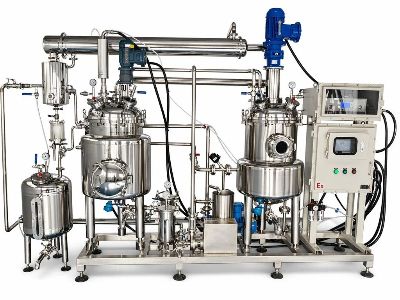
Aromatherapy distillers are essential tools for extracting essential oils from plants, and achieving a consistent oil yield is crucial for manufacturers in the food, pharmaceutical, and cosmetic industries. Understanding how to optimize the distillation process can significantly impact production efficiency and product quality. This article will cover key specifications, quality standards, cost factors, common problems in oil yield, and the applications of aromatherapy distillers, providing valuable insights for purchasing managers and product engineers.
Key Specifications to Consider in Aromatherapy Distiller Selection
When selecting an aromatherapy distiller, several key specifications need to be evaluated to ensure optimal performance.
Material Composition: The materials used in the construction of the distiller should be resistant to corrosion and suitable for high-temperature applications. Stainless steel is often preferred for its durability and non-reactivity with essential oils.
Heating Method: Distillers may utilize steam, water, or direct heat for extraction. Each method has its advantages; steam distillation is widely regarded for preserving the integrity of delicate essential oils. Understanding the heating method is crucial for achieving consistent yields.
Capacity and Size: The steam distiller for essential oils capacity should align with production needs. Large-scale operations may require multi-stage distillation systems, while smaller operations might benefit from compact, lab-scale units.
Temperature Control: Precise temperature regulation is vital for consistent oil extraction. Distillers equipped with advanced temperature control systems allow operators to maintain optimal conditions throughout the distillation process.
Distillation Time: The duration of the distillation cycle can affect oil yield and quality. Buyers should consider distillers that offer adjustable cycle times to optimize the extraction process based on the specific plant material.
Understanding these specifications will help buyers select the right distiller that meets their production requirements and quality standards.
Evaluating Quality Standards for Aromatherapy Distillation Equipment
Quality standards in aromatherapy distillation equipment are fundamental to ensuring product safety and efficacy. Buyers should look for equipment that complies with relevant industry certifications, such as ISO or GMP (Good Manufacturing Practices).
Testing and Validation: Manufacturers should provide documentation demonstrating that their distillation processes have been tested and validated for consistency in oil yield. This includes analyzing batch samples for purity and potency.
Quality Control Processes: A robust quality control process during manufacturing is essential. Buyers should inquire about the manufacturer’s quality assurance protocols, including in-process inspections and final product testing.
Traceability: Equipment that allows for traceability of the raw materials and the distillation process can help in maintaining quality assurance. This is particularly relevant in industries where product consistency is critical.
By ensuring that distillation equipment adheres to these quality standards, buyers can mitigate risks associated with product quality and safety.
Understanding Cost Factors in Aromatherapy Distiller Purchases
The cost of aromatherapy distillers can vary significantly based on several factors. Understanding these factors can help buyers make informed purchasing decisions.
Initial Investment vs. Long-term Value: While cheaper options may be tempting, investing in high-quality equipment can lead to better long-term yields and lower operational costs. Buyers should consider the total cost of ownership, including maintenance and operational efficiency.
Customization Options: Distillers that offer customization, such as additional heating elements or specialized extraction methods, may have a higher upfront cost but can provide significant value in terms of flexibility and efficiency.
Operational Costs: Consider the energy consumption of the essential oil distiller and its impact on operating costs. Equipment that operates efficiently can lead to substantial savings over time.
Supplier Reputation: The reputation of the manufacturer can also impact pricing. Established suppliers with a track record of reliable equipment may command higher prices, but they often provide better warranty terms and support services.
By evaluating these cost factors, buyers can better align their investment with their production needs and budget constraints.
Common Problems in Oil Yield and Their Solutions for Distillers
Achieving a consistent oil yield can be challenging due to various factors. Understanding common problems and their solutions is essential for optimizing distillation processes.
Inconsistent Raw Material Quality: Variations in the quality of plant material can lead to fluctuations in oil yield. Buyers should establish relationships with reliable suppliers and consider implementing quality control measures for incoming materials.
Incorrect Temperature Settings: Overheating can degrade essential oils, while insufficient heat may not extract the desired yield. Regular calibration of temperature control systems and training operators on optimal settings are vital.
Clogged Distillation Systems: Residue buildup can impede the flow of steam or liquid, reducing efficiency. Implementing regular cleaning schedules and using filters can prevent these issues.
Poor Maintenance: Regular maintenance is crucial for ensuring the longevity and performance of distillation equipment. Buyers should establish a maintenance schedule and ensure that operators are trained in equipment care.
Addressing these common problems proactively can enhance oil yield consistency and overall production efficiency.
Applications of Aromatherapy Distillers in Various Industries
Aromatherapy distillers have applications across multiple industries, each benefiting from the extraction of essential oils.
Pharmaceuticals: Essential oils extracted through distillation are often used for their therapeutic properties in pharmaceuticals. Consistent oil quality is critical for product efficacy.
Cosmetics: The cosmetic industry relies heavily on high-quality essential oils for fragrance and skin benefits. Distillers that ensure purity and consistency are essential in this sector.
Food and Beverage: Flavor extraction for food products can utilize aromatherapy distillers to create natural flavorings. This application requires stringent quality control to comply with food safety regulations.
Aromatherapy and Wellness: In the wellness industry, hydrosol distiller are used to produce essential oils for diffusers and personal care products. The demand for high-quality, consistent oils continues to grow.
By understanding these applications, buyers can better appreciate the versatility of aromatherapy distillers and how they can meet the specific needs of their respective industries. In summary, selecting an aromatherapy distiller involves careful consideration of specifications, quality standards, cost factors, and common production challenges. By understanding these elements, purchasing managers and engineers can make informed decisions that enhance their production processes and product quality.
Table of Contents
- Key Specifications to Consider in Aromatherapy Distiller Selection
- Evaluating Quality Standards for Aromatherapy Distillation Equipment
- Understanding Cost Factors in Aromatherapy Distiller Purchases
- Common Problems in Oil Yield and Their Solutions for Distillers
- Applications of Aromatherapy Distillers in Various Industries