 EN

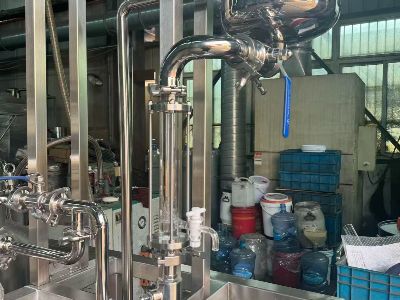
A modern aromatherapy distiller is a specialized piece of equipment designed to extract essential oils from natural plant materials through distillation. For businesses involved in the production of essential oils, personal care products, or aromatherapy blends, understanding the engineering design of these distillers is crucial for efficient and effective operation. Buyers often have concerns about product specifications, compatibility with existing systems, and the overall cost-effectiveness of their investment. This article will cover key considerations for selecting an aromatherapy distiller, sourcing reliable suppliers, installation guidelines, common issues in distillation processes, and factors affecting cost-effectiveness.
What to Consider When Choosing an Aromatherapy Distiller for Wholesale?
When selecting an aromatherapy distiller for wholesale, several critical factors should be evaluated. First, consider the distillation method, which can vary between steam distillation, water distillation, or solvent extraction. The choice of method impacts the quality and yield of the essential oils produced. Steam distillation, for example, is widely favored for its ability to maintain the integrity of the oil’s aromatic compounds.
Next, assess the capacity of the distiller. Depending on your production volume, you may require a small lab-scale unit or a larger pilot-scale system. It's also essential to analyze the materials used in the construction of the lavender distiller, as these can affect the quality of the oils. Stainless steel is generally preferred due to its resistance to corrosion and ease of cleaning, whereas glass components can help in monitoring the distillation process without contamination.
Additionally, consider the distillation temperature and pressure capabilities. A versatile distiller that can operate under varying conditions allows for better extraction of a broader range of essential oils. Finally, ensure that the distiller complies with industry regulations and certifications, which can impact product safety and market acceptance.
Finding Trusted Sources for Aromatherapy Distillers
Identifying reliable suppliers for aromatherapy distillers is fundamental to ensuring high-quality equipment. Start by researching manufacturers with a proven track record in the food, dairy, and pharmaceutical industries, as these sectors often share similar quality standards and practices.
Look for suppliers who provide comprehensive product specifications and technical documentation, which can help you evaluate the distiller's capabilities. It's also beneficial to seek references or case studies that demonstrate the supplier's experience in delivering similar equipment to businesses in your industry.
Attending industry trade shows or exhibitions can be an excellent opportunity to meet manufacturers face-to-face, allowing for direct discussions about your specific needs and expectations. Online platforms and B2B marketplaces can also be useful, but due diligence is necessary to verify the credibility of suppliers by checking reviews and obtaining samples when possible.
Installation Guidelines for Your Aromatherapy Distillation Equipment
Proper installation of your aromatherapy distillation equipment is crucial for optimal performance. Begin by reviewing the manufacturer’s installation manual, which typically outlines specific requirements for space, electrical connections, and plumbing. Ensure that your facility meets these prerequisites to avoid complications during setup.
It's advisable to have the installation performed by qualified technicians, especially if the large essential oil distiller includes complex components such as automated controls or integrations with other equipment. Confirm that all safety measures are in place, including proper ventilation and emergency shutoff systems.
After installation, conduct a thorough inspection to ensure that all connections are secure and that the equipment is functioning correctly. Running a trial batch can help verify that the system operates smoothly and meets your production expectations.
Common Problems and Solutions in Aromatherapy Distillation Processes
While distillation is a widely used method for extracting essential oils, common issues can arise during the process. One frequent problem is the contamination of the final product, which can occur due to improper cleaning or maintenance of the distiller. To mitigate this risk, establish a routine cleaning schedule, using appropriate cleaning agents that do not leave residues.
Another challenge is the variability in yield and quality of essential oils, often influenced by factors such as plant material quality and distillation parameters. Buyers should ensure the consistency of raw materials and be prepared to adjust distillation conditions according to the specific properties of each plant type.
Additionally, operational issues such as overheating or pressure fluctuations can affect the distillation process. These can often be resolved through regular maintenance checks and by installing monitoring systems that provide real-time data on temperature and pressure levels.
Cost-Effectiveness in Purchasing Aromatherapy Distillers
When evaluating cost-effectiveness in purchasing aromatherapy distillers, consider not only the upfront price but also the total cost of ownership, which includes maintenance, energy consumption, and potential downtime. A distiller that may appear cheaper initially could lead to higher operational costs if it requires frequent repairs or consumes more energy than a slightly more expensive model.
In addition, consider the long-term scalability of the equipment. Investing in a machine that can handle increased production volumes as your business grows can lead to significant savings over time. Customization options, such as modifying capacity or adding features, could also enhance the distiller's value and adaptability to changing market demands.
Finally, obtaining quotes from multiple suppliers can help you compare not just prices but also the scope of warranties, service agreements, and support options, which can contribute to overall cost savings and operational efficiency.
By focusing on these considerations, businesses can make informed decisions when selecting and implementing aromatherapy distillers, ensuring that they meet both production goals and quality standards.
Table of Contents
- What to Consider When Choosing an Aromatherapy Distiller for Wholesale?
- Finding Trusted Sources for Aromatherapy Distillers
- Installation Guidelines for Your Aromatherapy Distillation Equipment
- Common Problems and Solutions in Aromatherapy Distillation Processes
- Cost-Effectiveness in Purchasing Aromatherapy Distillers