 EN

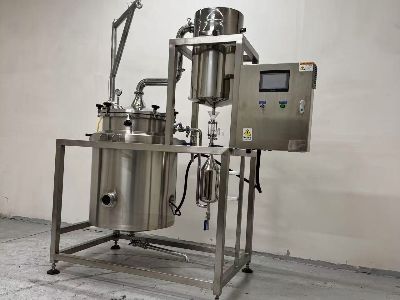
An electric essential oil distiller is a specialized piece of equipment designed to extract essential oils from plant materials through steam distillation. This process involves boiling water to produce steam, which then passes through the plant material, extracting volatile compounds. Understanding how an electric essential oil distiller delivers stable steam distillation performance is crucial for B2B buyers, such as purchasing managers and product managers, who need reliable equipment for their operations. This article will guide you through the critical factors to consider when selecting an electric distiller, ensuring optimal performance and efficiency
How to Choose an Electric Essential Oil Distiller for Your Needs
When selecting an electric essential oil distiller, consider factors such as capacity, material, and technology. The distiller's capacity should align with your production needs—smaller units may suffice for lab or pilot-scale operations, while larger systems are necessary for full-scale production
Materials matter significantly; stainless steel is commonly preferred for its durability and resistance to corrosion, while glass components can ensure the purity of the extracted oils. Additionally, look for features like temperature control and pressure management, which can affect the quality and yield of essential oils
Finally, consider the technology used. Advanced models may incorporate digital controls and automated processes, enhancing consistency and reducing labor costs. Evaluate your specific requirements and production goals to make an informed choice
What to Look for in Distillation Equipment
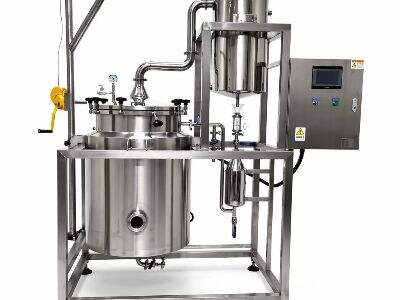
Key specifications to assess when evaluating distillation equipment include the heating method, distillation time, and cooling system. The heating method—be it electric, gas, or steam—affects both the efficiency and safety of the distillation process. Electric heating is often preferred for its precise temperature control, which is essential for extracting high-quality oils without damaging sensitive compounds
Distillation time is another critical factor; shorter distillation times can enhance oil quality but may require more advanced equipment. The cooling system, which condenses steam back into liquid, should be efficient and easy to clean, as residue build-up can impact performance
Additionally, look for equipment that features a high-quality condenser and a collection vessel that minimizes exposure to air, which can degrade the oil. Ensuring these specifications meet your operational needs will aid in maintaining consistent product quality
Where to Source Reliable Electric Essential Oil Distillers Wholesale
Sourcing reliable electric essential oil distillers wholesale requires careful consideration of potential suppliers. Start by researching manufacturers with a proven track record in the industry, such as Shanghai Ruiyuan Machinery Co., Ltd., which specializes in developing efficient extraction systems. Evaluate their product lines for a range of distillation equipment that meets various production needs
It is also advisable to request references or case studies from existing clients to gauge supplier reliability. Attend industry trade shows or exhibitions to network with manufacturers and explore equipment firsthand. Additionally, online marketplaces may offer access to multiple suppliers, but ensure to verify their credentials and customer reviews
When reaching out for quotes, provide detailed specifications, desired capacity, and any customization needs to receive accurate pricing and lead time estimates
Common Problems with Electric Distillers and Their Solutions
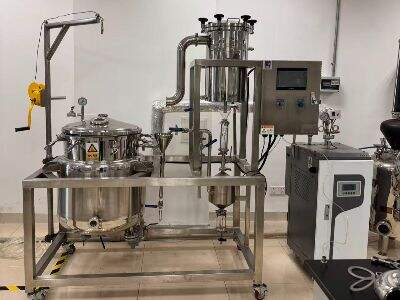
Electric distillers may encounter several common issues, including inconsistent distillation results, overheating, and scaling. Inconsistent results can often be traced back to improper temperature control. To mitigate this, ensure the distiller has an effective temperature regulation system and that operators are trained on optimal settings for different materials
Overheating can lead to damaged oils or equipment. Implementing a reliable cooling system and regularly monitoring the distillation process can prevent this issue
Scaling, caused by mineral deposits from water, can reduce efficiency and affect product quality. Regular maintenance, including descaling procedures, is essential to keep the equipment functioning optimally. Incorporating water purification systems can also help in minimizing mineral build-up
Installation Guidance for Electric Essential Oil Distillation Systems
Proper installation of electric essential oil distillation systems is critical for ensuring optimal performance. Begin by reviewing the manufacturer's installation guidelines and ensuring all components are accounted for. The installation area should have sufficient ventilation and comply with safety standards to prevent overheating
Check that the electrical supply meets the distiller's requirements, as insufficient power can affect performance. It's also important to ensure that all connections are secure and leak-free, particularly in the steam and cooling lines
After installation, conduct a thorough system check before starting production. This includes verifying that all controls function as intended and that there are no leaks. Running a trial batch can provide insights into the distillation performance and allow for adjustments before full-scale operations commence
By understanding these aspects of electric essential oil distillers, B2B buyers can make informed decisions that enhance their production efficiency and product quality
Table of Contents
- How to Choose an Electric Essential Oil Distiller for Your Needs
- What to Look for in Distillation Equipment
- Where to Source Reliable Electric Essential Oil Distillers Wholesale
- Common Problems with Electric Distillers and Their Solutions
- Installation Guidance for Electric Essential Oil Distillation Systems