 EN

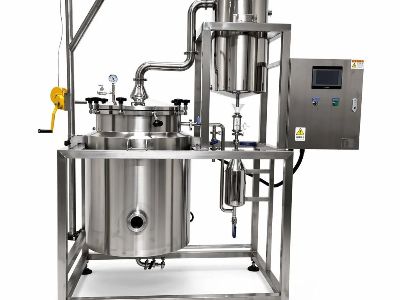
Understanding the importance of steam distribution in an aromatherapy distiller is crucial for manufacturers and suppliers in the extraction industry. Efficient steam distribution ensures optimal extraction of essential oils, directly impacting product quality and operational efficiency. Buyers often face concerns regarding the reliability and performance of steam distribution systems, as well as their compatibility with specific distillation processes. This article aims to clarify why steam distribution is vital in aromatherapy distillers and provide actionable insights on sourcing, troubleshooting, and installation.
Why Choosing the Right Steam Distribution Matters in Aromatherapy Distillers?
Choosing the right steam distribution system is essential for achieving consistent and high-quality essential oil extraction in aromatherapy distillers. A well-designed steam distribution system ensures even heat distribution, which is critical for maximizing the extraction of volatile compounds from plant materials. Inconsistent steam distribution can lead to uneven heating, resulting in under-extraction or over-extraction, both of which can negatively affect the quality of the final product. Moreover, the choice of materials and configuration affects the steam system's efficiency and durability. For instance, stainless steel is a preferred material due to its resistance to corrosion and high temperature, ensuring longevity and compliance with food safety standards. Buyers should also consider the steam pressure specifications, as these directly influence the extraction rate and overall productivity. By investing in a high-quality steam distribution system, manufacturers can enhance their production capabilities and ensure the purity and potency of their essential oils.
Wholesale Sourcing Tips for Reliable Steam Distribution Equipment
When sourcing steam distribution equipment for aromatherapy distillers, there are several key factors to consider to ensure reliability and efficiency. First, evaluate the manufacturer's reputation and experience in producing steam distribution systems specifically for the extraction industry. Look for suppliers who provide detailed product specifications and certifications, as this can be an indicator of quality and compliance with industry standards. Next, assess customization capabilities. The steam distiller for essential oils distribution system should be adaptable to your specific distillation requirements, including the size of the distiller and the types of materials being processed. Requesting samples or prototypes can also be beneficial to verify the suitability of the equipment before committing to a larger order. Additionally, consider the minimum order quantity (MOQ) and lead times. Reliable suppliers should be able to provide transparent information regarding production timelines and delivery schedules, which is crucial for maintaining operational continuity in your manufacturing process. Always ask for references or case studies from existing clients to gauge the supplier’s performance and service reliability.
Common Problems in Steam Distribution and Their Effective Solutions
Common issues in steam distribution systems can lead to inefficiencies and compromised product quality. One frequent problem is uneven steam distribution, which can cause hot spots or cold zones within the distillation chamber. This can be addressed by ensuring that the steam distribution pipes are properly sized and configured to promote uniform flow. Regular maintenance checks can also help identify blockages or leaks that may disrupt the steam flow. Another issue is the material degradation over time, especially in high-temperature environments. Using high-quality materials, such as corrosion-resistant alloys or treated stainless steel, can mitigate this risk. Buyers should also consider installing pressure relief valves to prevent excess pressure build-up, which can damage the system and lead to potential safety hazards. Lastly, essential oil distiller quality itself can be a concern. Contaminated steam can introduce impurities into the essential oils. Implementing a steam purification system, such as a steam trap or filter, can help ensure that the steam used in the distillation process is clean and free from contaminants.
Understanding Cost Factors in Steam Distribution Systems for Distillers
The cost of steam distribution systems can vary significantly based on several factors, including materials, complexity of design, and customization options. High-quality stainless steel components, for example, may cost more upfront but offer longer durability and better performance, ultimately resulting in lower operational costs over time. Buyers should also consider installation costs, which can include labor and additional components necessary for integrating the steam distribution system with existing distillation equipment. It's essential to factor in ongoing maintenance costs as well, as a well-maintained system will require fewer repairs and replacements. When requesting quotes, be specific about your operational requirements and the expected production capacity. This will allow suppliers to provide a more accurate estimate tailored to your needs. Comparing quotes from multiple suppliers can help buyers identify the best value while ensuring they don’t compromise on quality.
Installation Considerations for Steam Distribution in Aromatherapy Distillers
Proper installation is critical for the performance of steam distribution systems in aromatherapy distillers. Before installation begins, it's important to assess the layout of the distillation area to determine the most efficient routing of steam pipes. Ensure that the system design allows for easy access to components for maintenance and inspection. During installation, attention should be paid to thermal insulation of the steam pipes to reduce heat loss and improve efficiency. Insulation materials should be chosen based on their thermal resistance properties and compatibility with the operational environment, especially in high-temperature applications. Additionally, ensure that all connections are secure and leak-free. Implementing a pressure testing protocol post-installation can help identify any leaks or weaknesses in the system, preventing operational disruptions once the distillation process begins. Training for operators on the correct use and maintenance of the essential oil distiller machine distribution system can further enhance performance and longevity. By addressing these considerations, manufacturers can ensure that their steam distribution systems operate efficiently, contributing to the overall success of their aromatherapy distillation processes.
Table of Contents
- Why Choosing the Right Steam Distribution Matters in Aromatherapy Distillers?
- Wholesale Sourcing Tips for Reliable Steam Distribution Equipment
- Common Problems in Steam Distribution and Their Effective Solutions
- Understanding Cost Factors in Steam Distribution Systems for Distillers
- Installation Considerations for Steam Distribution in Aromatherapy Distillers