 EN

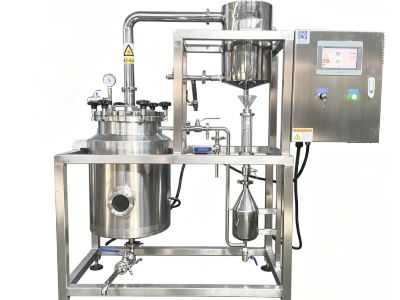
Modern hydrosol distillation equipment plays a crucial role in various industries, including food, pharmaceuticals, and chemical manufacturing. This equipment leverages advanced technologies to ensure efficient extraction and purification processes. As a B2B buyer, understanding the core technologies used in modern hydrosol distillation equipment is essential for making informed purchasing decisions. This article will help you identify key technologies, evaluate suppliers, understand cost factors, and troubleshoot common problems associated with hydrosol distillation systems.
Key Technologies in Modern Hydrosol Distillation Equipment
Modern hydrosol distillation equipment incorporates several core technologies that enhance performance, efficiency, and product quality. Key technologies include:
Vacuum Distillation: This method reduces the boiling point of liquids, allowing for the extraction of temperature-sensitive compounds without degradation. Vacuum distillation is essential for preserving the integrity of delicate flavors and aromas in food applications.
Steam Distillation: This technique utilizes steam to vaporize volatile compounds, which are then condensed back into liquid form. Steam distillation is widely used for extracting essential oils and hydrosol distiller from plants, ensuring high purity and yield.
Fractional Distillation: This advanced process separates mixtures based on different boiling points. Fractional distillation is invaluable when multiple components need to be isolated from a complex mixture, enhancing the versatility of the distillation equipment.
Continuous vs. Batch Distillation: Continuous distillation systems provide uninterrupted processing, suitable for large-scale production, while batch systems are ideal for smaller quantities and specialty products. Understanding the production scale needed is crucial for selecting the right system.
Control Systems: Modern hydrosol distillation equipment often features advanced automation and control systems that enhance precision and consistency. These systems can monitor temperature, pressure, and flow rates, allowing for real-time adjustments and ensuring product quality.
Understanding these technologies will help you assess which features are most important for your specific applications, enabling you to choose equipment that aligns with your operational needs.
How to Choose Reliable Suppliers for Hydrosol Distillation Systems
Selecting a reliable supplier for hydrosol distillation systems is vital to ensure long-term satisfaction and performance. Here are key factors to consider:
Industry Experience: Look for suppliers with a proven track record in the hydrosol distillation market. Established manufacturers are likely to have refined their processes and equipment, ensuring quality and reliability.
Customization Options: Different applications may require specific configurations or modifications. A good supplier should offer customization capabilities to meet your unique needs, such as adjusting equipment size or incorporating additional features.
Technical Support and Service: Evaluate the level of customer support offered by the supplier. Reliable technical assistance during installation, operation, and maintenance can significantly influence your experience with the equipment.
Certifications and Compliance: Ensure that the supplier's equipment meets relevant industry standards and certifications, such as ISO or GMP. Compliance with these regulations indicates a commitment to quality and safety.
Customer Reviews and Case Studies: Research previous clients’ experiences with the supplier. Testimonials and case studies can provide insights into the supplier's responsiveness, product performance, and overall reputation in the market.
By thoroughly evaluating suppliers based on these criteria, you can make informed decisions that align with your company's operational goals.
Cost Factors in Purchasing Modern Hydrosol Distillation Equipment
Understanding the cost factors involved in purchasing hydrosol distillation equipment is crucial for budgeting and financial planning. Key elements that influence pricing include:
Equipment Specifications: The size, design, and technology of the distillation system significantly impact the overall cost. More advanced technologies, such as vacuum or fractional distillation, typically come at a higher price point due to their enhanced capabilities.
Material Quality: The materials used in construction, such as stainless steel or specialized alloys, can affect both durability and cost. Higher-quality materials may lead to increased initial investment but can save on maintenance and replacement costs over time.
Customization Requirements: Customized features will add to the baseline cost of the hydrosol distillation kit equipment. If your application requires specific modifications, be prepared for additional expenses.
Production Capacity: Systems designed for larger production capacities usually entail higher costs. It’s essential to balance the initial investment with your expected production needs.
Operational Costs: Consider the long-term operational costs, including energy consumption, maintenance, and potential downtime. Efficient systems may have higher upfront costs but can offer savings in operational expenses.
Lead Times: Longer lead times may affect your overall project timeline and could incur additional costs if expedited shipping or production is necessary. Factor this into your purchasing timeline.
By understanding these cost factors, you can better navigate the purchasing process and align your budget with your operational needs.
What to Know?
When considering the purchase of modern hydrosol distillation equipment, there are several important aspects to keep in mind:
Application Suitability: Ensure that the distillation equipment is appropriate for your specific application, whether it's for food, pharmaceuticals, or chemical processes. Each application may have unique requirements affecting equipment choice.
Sample Approval: Before committing to a large order, request samples or prototypes to test under actual operating conditions. This helps verify that the equipment meets your performance expectations.
Quality Control Processes: Inquire about the manufacturer’s quality control measures. A robust quality assurance program can help ensure that the equipment performs consistently and meets required specifications.
Maintenance Requirements: Understand the maintenance needs of the equipment and how they may impact your operations. Regular maintenance is crucial for ensuring longevity and optimal performance.
Training and Documentation: Ensure that the supplier provides adequate training for your staff and comprehensive documentation, including operating manuals and maintenance schedules.
Being informed about these factors will help you make a more confident purchasing decision and ensure that your equipment meets your operational requirements.
Common Problems in Hydrosol Distillation and Their Solutions
Hydrosol distillation systems may encounter several common issues that can impact performance and output. Here are some problems and practical solutions:
Foaming or Bumping: This can occur during the distillation process, leading to product contamination or loss of yield. To mitigate this, consider using antifoaming agents or selecting equipment with better design features that reduce foaming risks.
Temperature Control Issues: Inadequate temperature control can lead to inefficient extraction or degradation of sensitive compounds. Regularly calibrating temperature sensors and utilizing automated control systems can help maintain consistent conditions.
Low Yield: If the yield is lower than expected, it may indicate improper equipment settings or a need for equipment adjustment. Review operational parameters and consider consulting with the manufacturer for optimization suggestions.
Clogging or Blockages: Residues or impurities can clog distillation lines or filters. Regular cleaning and maintenance schedules, along with proper filtration systems, are essential to prevent blockages.
Inconsistent Product Quality: Variability in product quality can stem from inconsistent feedstock or equipment malfunctions. Implementing stringent quality control and monitoring processes can help identify issues early.
By being aware of these potential problems and their solutions, you can proactively address challenges in your hydrosol distillation processes, leading to improved efficiency and product quality.