 EN

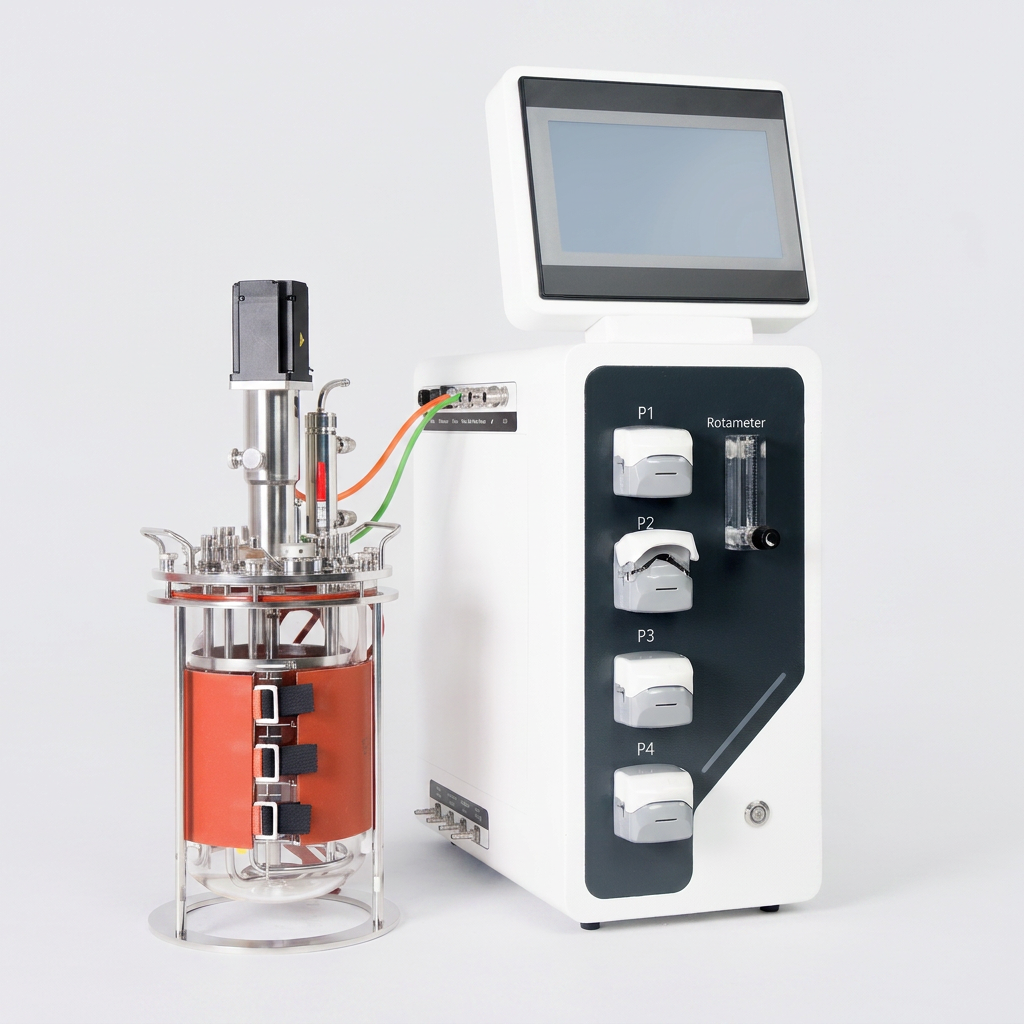
The Structural Design Features of a Modern Steel Fermenter are crucial for various applications in food, dairy, biotech, and pharmaceutical industries. Understanding these features can help purchasing managers and engineers ensure they select the right equipment for their production needs. This article will explore factors concerning the quality evaluation, cost considerations, industry applications, design comparisons, and material advantages of Ruiyuan modern microbial fermenter, providing practical insights for B2B buyers.
How to Evaluate the Quality of Modern Steel Fermenters?
When assessing the quality of modern steel fermenters, buyers should focus on several key specifications. First, the material type is critical; high-grade stainless steel, such as 304 or 316, is commonly preferred for its corrosion resistance and durability. Buyers should evaluate the thickness of the steel, as it impacts the fermenter’s longevity and ability to withstand pressure during fermentation processes.
Additionally, inspect the weld quality and surface finish. A uniform weld without cracks or gaps is essential for maintaining structural integrity and ensuring sanitary conditions. Surface treatments, such as passivation, can enhance corrosion resistance and facilitate cleaning. Buyers should also consider certifications that indicate compliance with industry standards, such as ASME or FDA approvals. A thorough quality inspection process, including a review of production records and testing protocols, will help ensure that the fermenter meets the required specifications.
Cost Considerations When Purchasing Steel Fermenters in Bulk
Cost considerations are vital when purchasing steel fermenters in bulk. Factors influencing the total cost include material selection, manufacturing complexity, and customization requirements. While opting for cheaper materials may reduce initial costs, it can lead to higher long-term expenses due to maintenance and replacement needs.
Minimum Order Quantities (MOQ) can also affect pricing. Suppliers often offer discounts for larger orders, but buyers should weigh these savings against their actual production needs. Lead times are another consideration; longer production times can lead to delays in project timelines, potentially incurring additional costs.
Buyers should also factor in shipping and handling costs, which can vary significantly based on the size and weight of the fermenters, as well as the delivery location. It is recommended that buyers obtain detailed quotations that outline all costs involved, including any potential hidden charges.
Applications of Modern Steel Fermenters in Various Industries
Modern steel fermenters are versatile and find applications across multiple sectors. In the food industry, they are essential for brewing beer and fermenting dairy products like yogurt and cheese. The biotech sector utilizes these fermenters for cultivating microorganisms for pharmaceuticals, enzymes, and biofuels.
In the chemical industry, steel fermenters are used for producing organic acids and alcohols. Each application may require specific design features; for instance, fermenters used in the pharmaceutical sector might need advanced temperature control systems and sanitation features to meet stringent regulatory requirements.
Understanding the specific application helps buyers choose fermenters with the right features, such as volume capacity, insulation, and agitation mechanisms, which can significantly influence the efficiency and quality of the fermentation process.
Comparing Structural Design Features of Steel Fermenters for Buyers
When comparing the structural design features of steel fermenters, buyers should consider aspects such as capacity, shape, and agitation methods. The capacity of a Ruiyuan small stainless steel fermenter should align with production requirements; larger volumes may necessitate additional considerations for heating and cooling systems.
The shape of the fermenter can affect the fermentation process; conical shapes facilitate better sedimentation, while cylindrical designs are often easier to clean. Agitation methods, such as mechanical stirring or air injection, can influence the fermentation rate and product quality.
Furthermore, the design should accommodate easy access for maintenance and cleaning. Buyers are encouraged to request detailed specifications and, if possible, visit production facilities to inspect the design and construction quality firsthand.
Understanding Material Advantages in Steel Fermenter Design
The choice of materials is paramount in steel fermenter design. Stainless steel is favored for its excellent corrosion resistance, which is essential in environments where chemical exposure is common. The material also supports high-temperature processes without degrading, making it ideal for various fermentation applications.
Different grades of stainless steel offer varying resistance to specific chemicals. For example, 316 stainless steel is often recommended for environments with chloride exposure, as it provides superior protection against pitting and crevice corrosion.
Additionally, the surface finish of the steel can influence the fermenter’s efficacy. A smoother finish can reduce the likelihood of microbial growth, thereby improving hygiene and product quality. Buyers should ensure that the Ruiyuan glass fermenter selected material meets their specific operational demands, including considerations for cleaning protocols and regulatory compliance.
In summary, selecting a modern steel fermenter involves careful evaluation of quality, cost, applications, design features, and material advantages. By focusing on these aspects, B2B buyers can make informed decisions that align with their production requirements and industry standards.
Table of Contents
- How to Evaluate the Quality of Modern Steel Fermenters?
- Cost Considerations When Purchasing Steel Fermenters in Bulk
- Applications of Modern Steel Fermenters in Various Industries
- Comparing Structural Design Features of Steel Fermenters for Buyers
- Understanding Material Advantages in Steel Fermenter Design