 EN

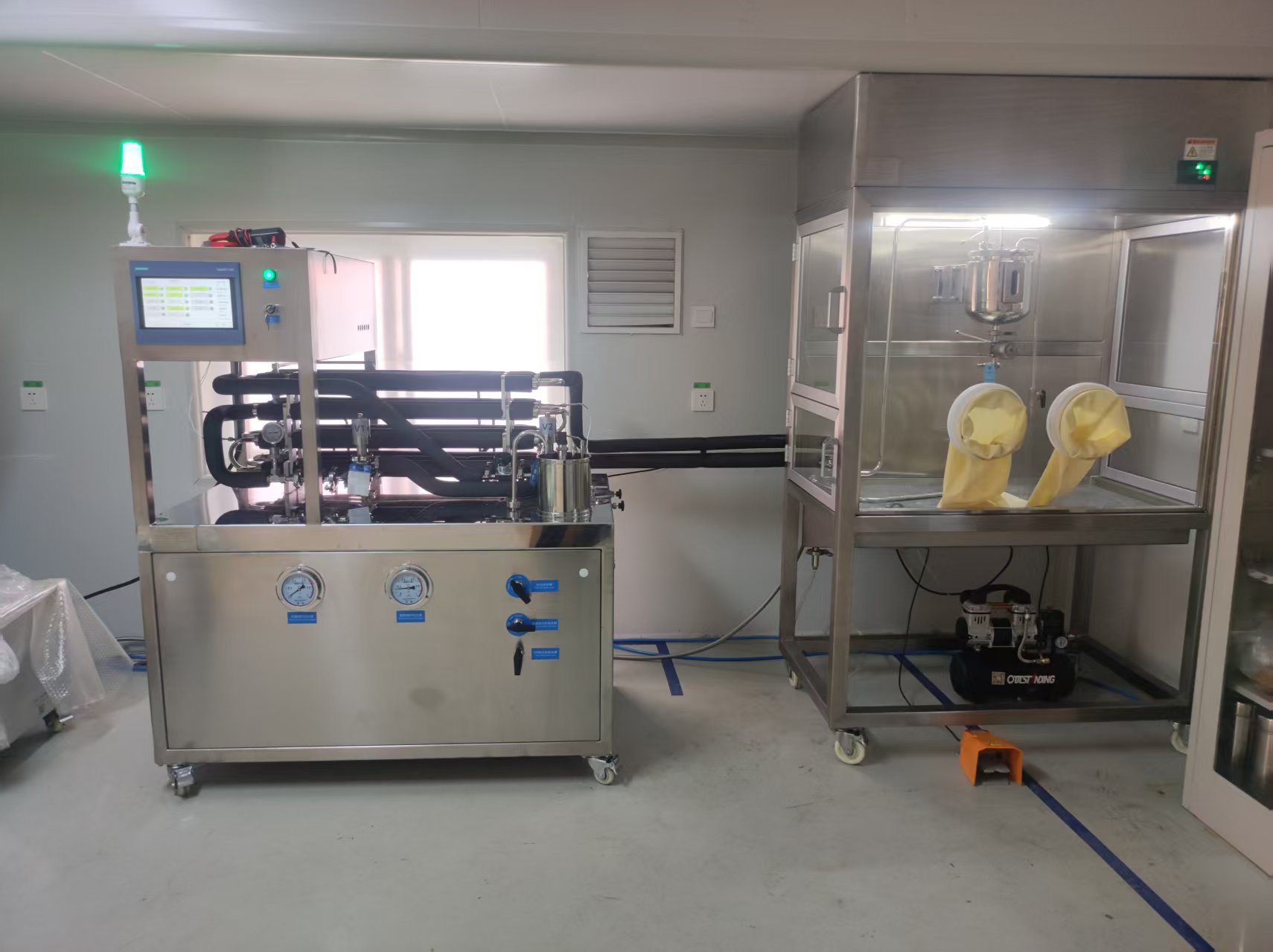
The shift towards automation in modern small-scale UHT (Ultra High Temperature) machine systems is increasingly evident, driven by the need for efficiency, precision, and quality in manufacturing processes. As companies in the food, dairy, biotech, chemical, and pharmaceutical industries seek to enhance their production capabilities, understanding why these systems are becoming more automated is crucial for purchasing managers and engineers alike. This article will explore the specifications to consider when sourcing UHT machines, how automation boosts quality control, the cost factors associated with modern automation, where to find reliable suppliers, and the various applications of these machines in the food and beverage sector.
Key Specifications to Consider When Sourcing UHT Machine Systems
When sourcing small scale UHT machine systems, several key specifications should be prioritized to ensure that the equipment meets your production needs. First, consider the machine's capacity, which is often specified in liters per hour. This directly affects your production output and should align with your anticipated volume requirements.
Another important specification is the temperature and pressure ratings, which dictate the machine's ability to achieve the desired sterilization levels. UHT processes typically require temperatures above 135°C, and understanding the pressure capabilities ensures that the machine can handle the required thermal conditions without compromising efficiency or safety.
Additionally, material selection is critical. Stainless steel is commonly used for its durability and resistance to corrosion, but it’s essential to verify that the material can withstand the specific chemical properties of the products being processed. Lastly, automation features such as touchscreens for monitoring and control, along with integration capabilities with existing systems, should be evaluated to enhance operational efficiency.
How Automation Enhances Quality Control in UHT Processing Equipment
Automation significantly enhances quality control in UHT processing equipment by minimizing human error and ensuring consistent performance. Automated systems can monitor critical parameters such as temperature, pressure, and flow rates in real-time, which allows for immediate adjustments if any deviations occur. This constant oversight helps maintain the product quality that regulatory bodies mandate in the food and pharmaceutical industries.
Moreover, automated machines can log data during production runs, allowing for thorough analysis and traceability. This is vital for compliance with safety standards and can assist in identifying trends that might indicate potential issues before they escalate. By investing in automated UHT systems, manufacturers can ensure higher product consistency, reduced waste, and improved overall quality, which is paramount for maintaining customer trust and satisfaction.
Understanding the Cost Factors of Modern UHT Machine Automation
The cost of modern UHT machine automation can vary widely based on several factors. Initially, the purchase price of the equipment itself is a significant consideration. Automated systems often come with a higher upfront cost due to advanced technology and features. However, this should be weighed against the long-term savings gained through enhanced efficiency and reduced labor costs.
Operational costs are another critical factor. Automated ultrasonic extraction machine typically require less manual intervention, which can lead to lower staffing costs over time. Additionally, energy efficiency is an important aspect; machines designed with automation in mind often consume less energy due to optimized processing cycles.
Maintenance costs should also be factored in. Automated systems may require specialized training for operators and technicians, which could necessitate investment in training programs. However, the reduced frequency of human error often leads to lower maintenance interventions and downtime.
Where to Find Reliable Suppliers of Automated UHT Solutions
Finding reliable suppliers of automated UHT solutions involves several strategic steps. Start by identifying manufacturers with a solid reputation in the industry. Look for companies that specialize in UHT processing systems and have a proven track record of delivering quality equipment.
Trade shows and industry conferences can be excellent venues for meeting potential suppliers and evaluating their technologies firsthand. Online platforms and industry-specific directories can also provide valuable insights and connections.
It's essential to assess suppliers based on their customer reviews, case studies, and the types of industries they serve. Additionally, inquire about their after-sales support and warranty policies, as these will be crucial for ensuring long-term operational success.
When discussing potential partnerships, be prepared to share your specific requirements, including production capacity, product type, and any customization needs, to ensure that the supplier can meet your expectations.
Applications of Automated UHT Machines in Food and Beverage Industries
Automated UHT machines play a crucial role in various applications within the food and beverage industries. They are primarily utilized for the sterilization of liquid products, such as milk, juices, sauces, and soups, extending shelf life while preserving flavor and nutritional quality.
In the dairy sector, UHT processing allows for the production of long-life milk products that can be stored without refrigeration. For juice manufacturers, UHT small scale spray dryer treatment helps eliminate microbial contamination while maintaining the product's fresh taste and color.
Moreover, automated UHT systems facilitate the processing of sensitive products that require precise control over temperature and time, ensuring that the nutritional value is preserved. This adaptability makes UHT machines ideal for a wide range of applications, from dairy to plant-based alternatives and beyond.
Investing in automated UHT technology not only streamlines production processes but also enhances product safety and quality, catering to the evolving demands of consumers for convenience and health.
Table of Contents
- Key Specifications to Consider When Sourcing UHT Machine Systems
- How Automation Enhances Quality Control in UHT Processing Equipment
- Understanding the Cost Factors of Modern UHT Machine Automation
- Where to Find Reliable Suppliers of Automated UHT Solutions
- Applications of Automated UHT Machines in Food and Beverage Industries