 EN

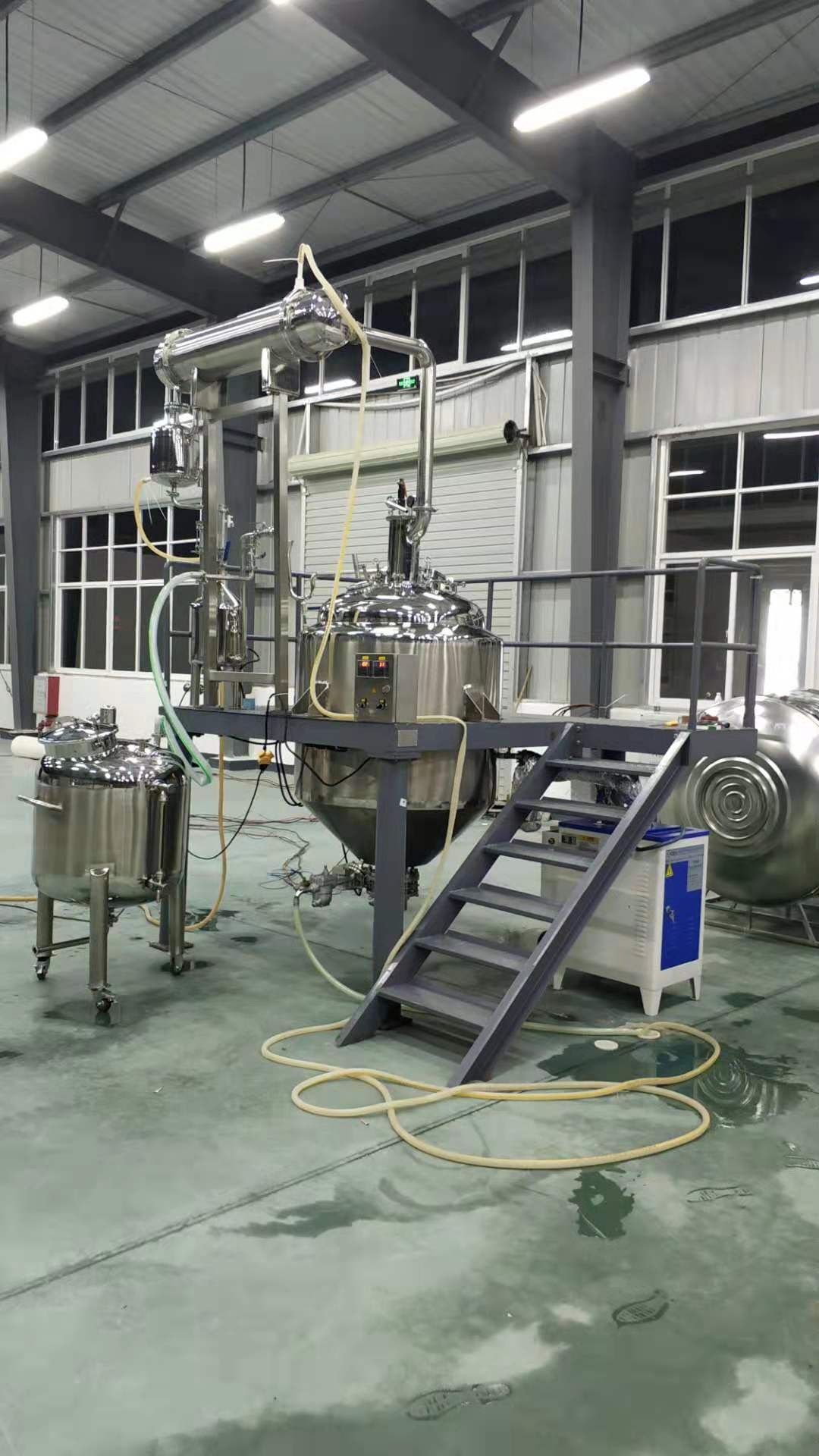
Understanding what determines extraction efficiency in a plant oil extractor is crucial for companies in the food, dairy, biotech, chemical, and pharmaceutical industries. Efficient extraction not only maximizes yield but also affects product quality and production costs, key concerns for purchasing managers and engineers. This article will explore the factors affecting extraction efficiency, compare equipment options, highlight what to look for when purchasing, address common extraction problems, and discuss cost considerations to help you make informed decisions.
What Factors Impact Extraction Efficiency in Plant Oil Extractors?
Several factors influence the extraction efficiency of plant oil extractor, including:
Raw Material Quality: The quality and type of raw materials directly affect yield. For example, seeds with higher oil content will produce more oil, while the freshness of the plant material will also impact extraction results.
Extraction Method: Different methods, such as cold pressing, solvent extraction, and supercritical CO2 extraction, have varying efficiencies. Cold pressing is often less efficient than solvent extraction but yields higher quality oil without chemical residues.
Temperature and Pressure: The conditions under which extraction occurs can significantly affect efficiency. Higher temperatures can increase extraction rates but may also degrade sensitive compounds in the oil. Understanding the optimal temperature for your specific extraction method is essential.
Equipment Design: The design and technology of the extractor play a vital role. Features such as agitation, extraction time, and surface area can enhance or hinder the extraction process.
Solvent Properties: In solvent extraction, the choice of solvent (e. g., hexane, ethanol) impacts efficiency. The solvent's polarity, boiling point, and ability to dissolve certain compounds must be aligned with the material being processed.
Understanding these factors can help you choose the right equipment and optimize your extraction process.
Which Offers Better Efficiency?
When considering extraction methods, solvent extraction generally offers better efficiency than cold pressing. This is primarily due to its ability to extract a higher percentage of oil from raw materials. For instance, solvent extraction can yield up to 98% of the oil content in seeds, compared to 60-70% with cold pressing.
However, the choice of method must align with your production goals. If the target is high-quality, pure oils, cold pressing may be preferable despite its lower yield. Conversely, for bulk production where cost efficiency is paramount, solvent extraction may be the better option. It is essential to weigh the benefits of each method against your specific requirements and product standards.
What to Look for in Oil Extraction Equipment
When purchasing essential oil extraction equipment, several key specifications and features should be considered:
Capacity: Determine your production needs. The extractor's capacity should align with your expected output to ensure efficiency and minimize downtime.
Material Quality: The construction material of the extractor should be compatible with the substances being processed. Stainless steel is often preferred for its resistance to corrosion and ease of cleaning.
Energy Efficiency: Look for equipment that minimizes energy consumption, as this can significantly impact operational costs over time.
Automation and Control Features: Advanced machines may offer automation features that enhance precision and reduce labor costs. Consider systems that allow for real-time monitoring and adjustments.
Certification and Compliance: Ensure the equipment complies with industry standards and regulations, which is crucial for maintaining product quality and safety.
Manufacturer Support: Evaluate the manufacturer's reputation for after-sales support, availability of spare parts, and warranty options to ensure you have assistance when needed.
These factors are vital in ensuring that the extraction equipment meets your operational standards and delivers optimal performance.
Common Problems in Plant Oil Extraction and Their Solutions
Understanding common issues in plant oil extraction can help mitigate risks and enhance efficiency. Here are a few obstacles you may encounter:
Low Yield: This can result from poor-quality raw materials or unsuitable extraction methods. To address this, ensure that you select high-quality materials and the appropriate extraction technique for your specific application.
Equipment Maintenance: Regular maintenance is crucial for efficient operation. Neglecting this can lead to breakdowns and reduced efficiency. Implement a preventive maintenance schedule to keep machinery in optimal condition.
Solvent Residues: If using solvent extraction, residual solvents can pose safety and quality issues. Ensure that the equipment is designed for effective solvent recovery to minimize residues in the final product.
Temperature Control: Inadequate temperature control can affect both yield and oil quality. Invest in equipment that allows precise temperature regulation to maintain optimal conditions throughout the extraction process.
By identifying and addressing these common problems, you can improve extraction efficiency and ensure a higher-quality end product.
Cost Factors Affecting Your Plant Oil Extraction Equipment Purchase
Several cost factors should be considered when purchasing plant extraction machine equipment:
Initial Investment: High-quality extraction systems and advanced technology often come with a higher price tag. Assess your budget against the expected ROI based on efficiency and quality improvements.
Operating Costs: These include energy consumption, maintenance, and labor. Energy-efficient equipment may have a higher upfront cost but can save money in the long run.
Raw Material Costs: The cost of raw materials can fluctuate, impacting your overall production costs. Consider how your extraction method and equipment can minimize waste and maximize yield to offset these costs.
Customization Options: Custom-built systems or modifications to existing equipment can increase costs but may be necessary to meet specific production needs. Discuss customization options with manufacturers to find a balance between functionality and budget.
Regulatory Compliance Costs: Ensure that your equipment meets all regulatory requirements, as non-compliance can lead to fines or production halts. Factor in any additional costs for certification and compliance.
By understanding these cost factors, you can make a more informed decision that balances initial investment with long-term operational efficiency and product quality.
In summary, being well-informed about extraction efficiency determinants, equipment specifications, common challenges, and cost factors will empower you to make educated decisions in your plant oil extraction endeavors.