 EN

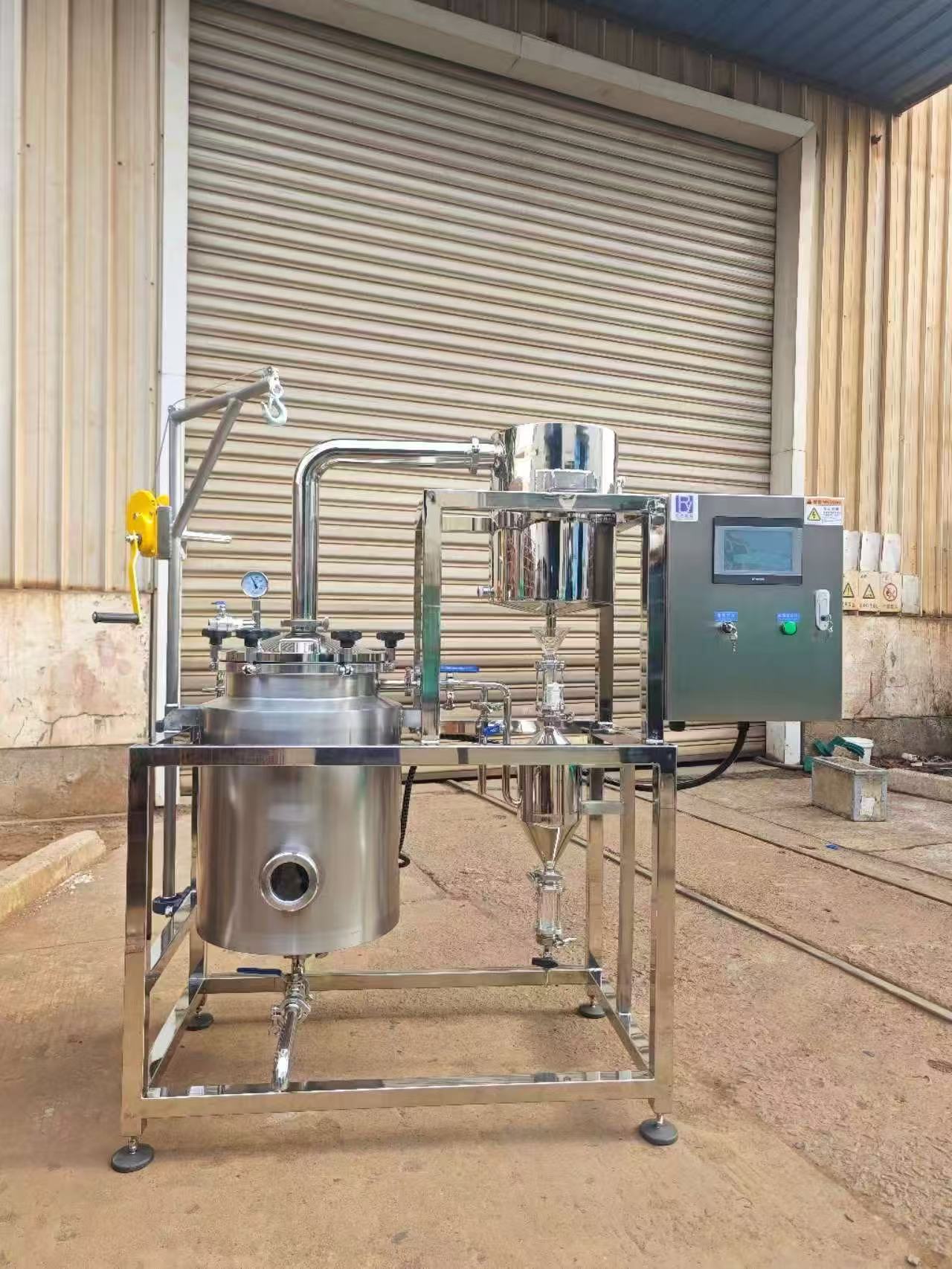
Understanding the process temperature is critical for a plant oil extractor, as it directly impacts the efficiency and quality of the extraction process. Many B2B buyers in sectors like food, dairy, and pharmaceuticals often grapple with concerns about product yield, operational efficiency, and the overall quality of the extracted oils. This article will elucidate the significance of process temperature, key specifications for temperature control, common issues stemming from improper temperature settings, supplier evaluation criteria, and cost factors associated with temperature management in oil extraction.
Understanding the Role of Process Temperature in Oil Extraction
Process temperature plays a pivotal role in essential oil extractor, influencing both the yield and quality of the extracted oil. During the extraction process, varying temperatures can affect the solubility of oils and the efficiency of solvent interactions with the raw material. Higher temperatures often enhance the extraction rate by increasing the volatility of the oil and improving solvent penetration. However, excessive heat can lead to the degradation of sensitive compounds, resulting in a lower-quality product.
For instance, in the extraction of essential oils from plant materials, maintaining an optimal temperature can prevent the loss of volatile compounds that contribute to the oil's aroma and therapeutic properties. Buyers must understand that choosing the right temperature setting is not merely a technical parameter; it is a critical factor that can dictate the success of their extraction process.
Key Specifications for Optimal Process Temperature Control
To effectively manage process temperature in oil extractors, several specifications must be considered:
Temperature Range: The extractor should have a defined operating temperature range suitable for the specific type of oil being extracted. This range is crucial as different oils require different temperatures for optimal extraction.
Temperature Uniformity: Uniform temperature distribution within the extractor ensures consistent extraction results. Buyers should verify that the equipment features advanced temperature control systems, such as PID controllers, which provide precise temperature regulation.
Material Compatibility: The materials used in the extractor’s construction should withstand the specified temperature range without degrading. Stainless steel is commonly preferred for its durability and resistance to corrosion at high temperatures.
Thermal Sensors: Incorporating reliable thermal sensors and monitoring systems allows for real-time temperature adjustments, ensuring that deviations do not compromise the extraction process.
By understanding these specifications, buyers can better evaluate plant oil extractor options and ensure that their chosen equipment meets the required performance criteria.
Common Problems with Incorrect Process Temperature in Oil Extraction
Inadequate temperature management can lead to several issues that negatively affect the oil extraction process:
Low Yield: If the temperature is too low, the extraction may be incomplete, resulting in a lower yield of oil. This can necessitate additional extraction cycles, increasing operational costs.
Degradation of Oil Quality: Excessive heat can lead to thermal degradation, altering the chemical composition of the oil and diminishing its quality. This is particularly critical in applications where the oil's sensory attributes are essential, such as in the food and cosmetics industries.
Increased Energy Costs: Operating at non-optimal temperatures can also lead to higher energy consumption, as equipment may need to run longer or at higher power levels to achieve desired extraction results.
Equipment Damage: Continuous operation at inappropriate temperatures can cause wear and tear on the extractor, leading to premature failures and costly repairs.
These potential problems underscore the importance of selecting a temperature-controlled extraction system that can maintain optimal conditions throughout the process.
Evaluating Supplier Options for Temperature-Controlled Extractors
When assessing suppliers for temperature-controlled natural oil extractor, buyers should consider several key factors:
Technical Expertise: Suppliers with extensive experience in manufacturing extraction equipment and a deep understanding of temperature management will be more reliable. Inquire about their past projects and specific capabilities related to temperature control.
Customization Options: Each application may have unique temperature requirements. Evaluate whether the supplier can offer customized solutions tailored to specific extraction needs, including temperature ranges and control mechanisms.
Quality Assurance Processes: Verify that suppliers have robust quality control measures in place. This includes testing equipment for thermal efficiency and uniformity before shipment.
Support and Maintenance Services: Assess the supplier's commitment to customer support and post-installation maintenance. A supplier that provides ongoing technical assistance can help mitigate issues related to temperature management.
By taking these factors into account, buyers can make informed decisions regarding which suppliers are best equipped to meet their specific extraction needs.
Cost Factors Influencing Process Temperature in Oil Extraction
The costs associated with managing process temperature in oil extraction can vary widely based on several factors:
Initial Equipment Investment: High-quality extractors with advanced temperature control systems may require a larger upfront investment. However, this cost can be justified by improved yields and oil quality.
Operational Costs: Energy consumption is a significant factor in overall operational costs. Equipment that maintains optimal temperature settings efficiently can lead to lower utility bills.
Maintenance and Repairs: Regular maintenance of temperature control systems can prevent costly repairs and downtime. Consider suppliers that offer comprehensive maintenance packages as part of their service.
Material and Energy Costs: The choice of extraction materials and energy sources can also impact costs. For example, using renewable energy sources can reduce long-term energy expenses.
By understanding these cost factors, buyers can better analyze the total cost of ownership for temperature-controlled extractors and make more informed purchasing decisions.
In summary, understanding why process temperature is critical for a plant oil extractor can significantly influence the efficiency and quality of small essential oil extractor. By focusing on the specifications for temperature control, common pitfalls, supplier evaluations, and cost considerations, buyers can optimize their extraction processes and enhance their overall production capacity.
Table of Contents
- Understanding the Role of Process Temperature in Oil Extraction
- Key Specifications for Optimal Process Temperature Control
- Common Problems with Incorrect Process Temperature in Oil Extraction
- Evaluating Supplier Options for Temperature-Controlled Extractors
- Cost Factors Influencing Process Temperature in Oil Extraction